Published September 23, 2026
Pre-Qualified vs. Pre-Approved and Other Mortgage Questions, Answered by a Lender

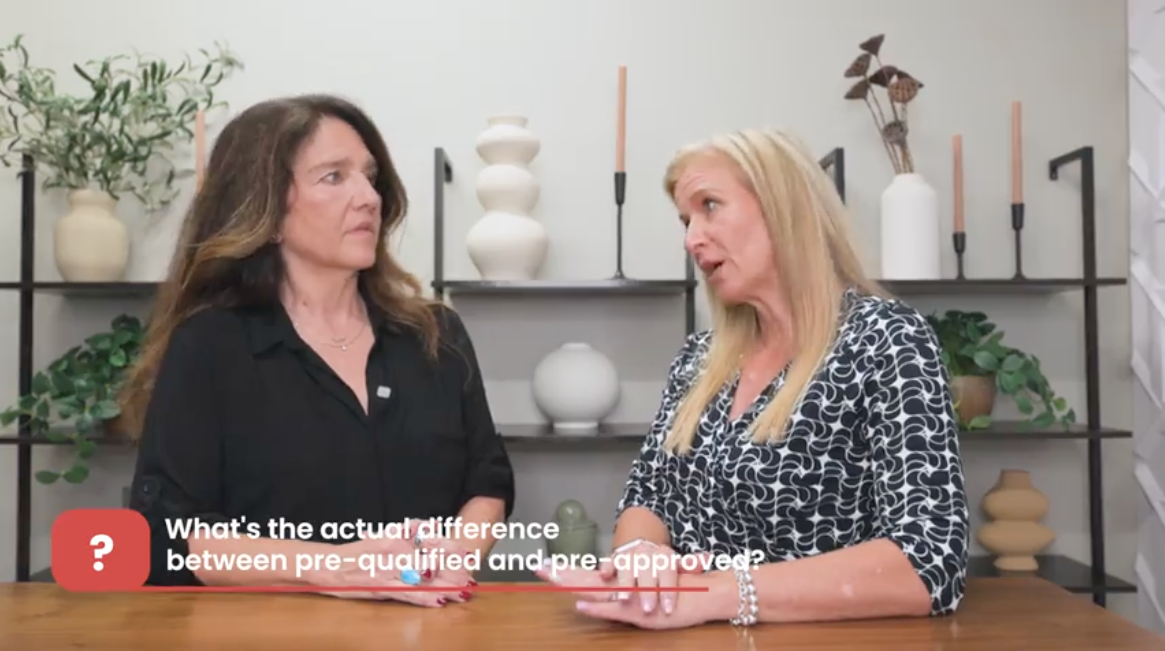
Whether you're buying your first home or downsizing after 20 years, financing is usually where the questions start. So I sat down with Kellie James of Prime Lending and asked her the questions we hear most. Here's what she said.
1. What's the difference between pre-qualified and pre-approved?
Pre-qualification is quick. You tell the lender your income, your debts and roughly how much you've saved, and they give you a ballpark of what you might be able to borrow.
Pre-approval is the real thing. The lender checks your income and assets and pulls your credit. Once you're pre-approved, you're ready to shop and make offers.
Takeaway: If you're serious about house hunting, get pre-approved first.
2. What credit score do I need?
It depends on the loan program. Kellie says many borrowers assume their credit isn't good enough when it actually is.
Her advice: "Don't guess and don't self-reject." A lender can pull your credit and show you which programs you qualify for. If you're not there yet, they can help you make a plan to get there.
3. Conventional vs. FHA vs. VA: what's the difference?
Conventional loans are usually the best choice for borrowers with strong credit and money saved for a down payment.
- FHA loans are government-backed and popular with buyers who have less saved or are still working on their credit. They're more flexible about credit scores and allow a higher debt-to-income ratio, so some buyers can qualify for more house.
- VA loans are for eligible active-duty service members, veterans and military retirees, often with no down payment required.
Every buyer's best fit is different. The right loan type can change your whole plan, which is why it helps to talk to a lender early.
4. What do closing costs pay for?
Closing costs include lender fees, the appraisal, title fees, homeowners insurance and property taxes. The amount depends on your loan and the transaction.
Kellie gives every buyer a written estimate well before closing, and the title company checks the numbers too. You'll know how much money is changing hands before you sit down to sign.
5. I've owned my home 20+ years. Does financing work the same way when I downsize?
Usually not. Twenty years of equity changes the picture. It can affect your down payment and which loan type makes sense, especially if you're on a fixed income. Sometimes you won't need a loan at all.
Kellie's advice to downsizers is to come talk to her even if you think you already know the answer. Thirty minutes can show you what your equity makes possible.
6. Should I sell first or buy first?
This is the question downsizers ask most, and there's no single right answer. It depends on your numbers and what you're comfortable with.
Bridge options can let you use your current home's equity to buy the next one before you sell. Having that conversation early means you know all your options before you commit to one.
7. Most of my net worth is in my home. How does that carry over to the next one?
Usually the money from your sale goes toward your next purchase. The timing between the two closing dates matters, so Kellie lays out the dates and the numbers with you to avoid gaps or surprises.
8. Does being retired or on a fixed income affect whether I qualify?
Retirement income counts. Pensions, Social Security and investment distributions can usually be used to qualify. They're just documented differently than a paycheck. Kellie has helped many retired buyers through this.
9. What's a rate buydown, and does it make sense for a downsizer?
A rate buydown means paying money upfront to lower your interest rate, either for a few years or for the life of the loan. Whether it's worth it depends on:
- How long you plan to stay in the home or keep the loan
- How much cash you're comfortable putting toward it
- Where rates are when you buy
Kellie runs the math for each borrower before recommending one.
The Bottom Line
Kellie's answer to almost every question was the same: it depends on your numbers, so find out what they are. Get pre-approved, don't count yourself out, and talk to a lender early, especially if you're downsizing.
Ready to start? Contact Kim Carlson and Becky Blair and we’ll connect you with Kellie so you can see your real numbers before you start house hunting.